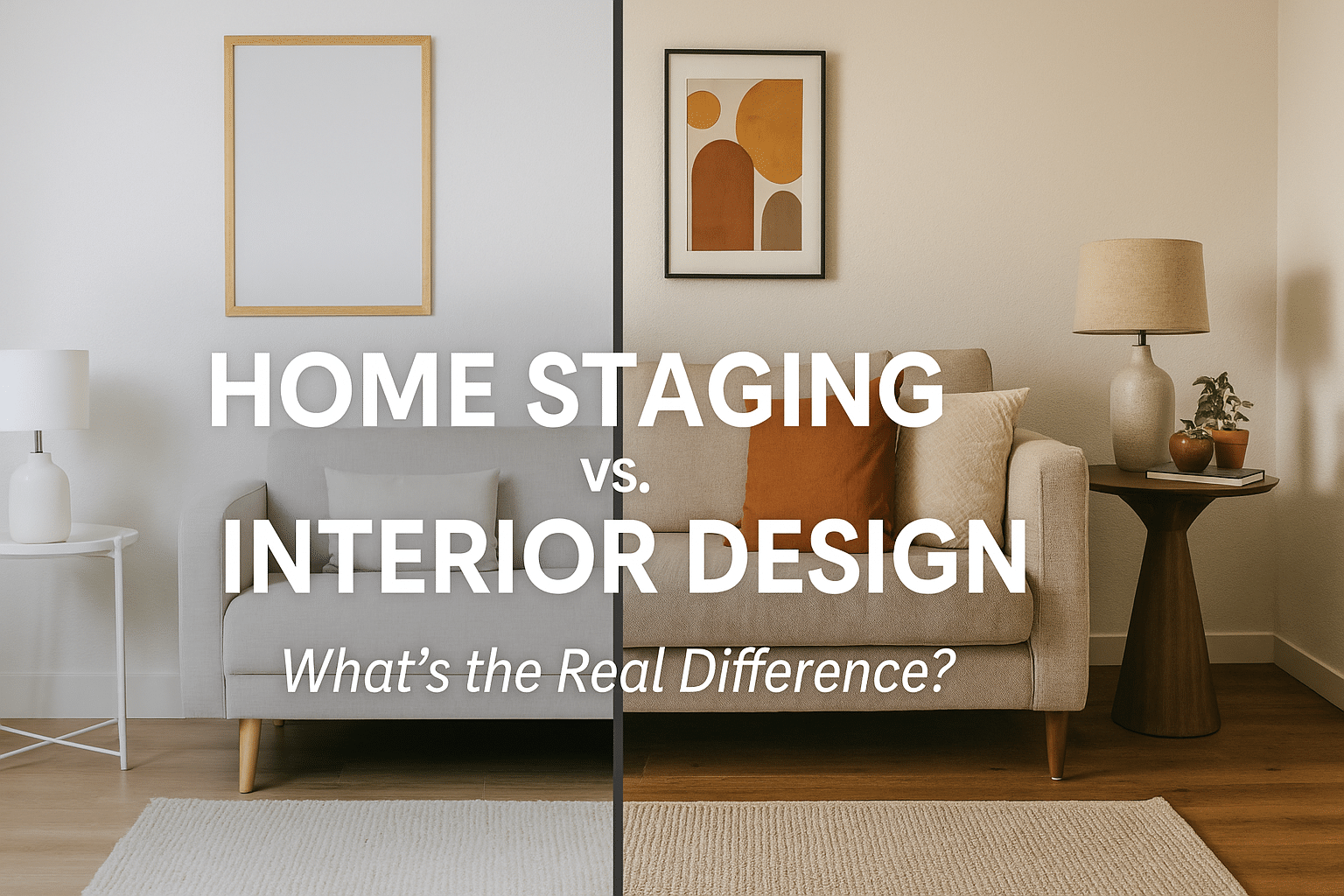
Home Staging vs. Interior Design: What’s the Real Difference?
Homeowners who are staging their homes for sale usually get interior decorating confused with home staging most of the time. Sharing common aesthetic objectives, effects, and uses, their purposes and applications differ to a great extent. Homeowners who want to enhance their home’s appeal and worth prior to selling need to know the difference.
Purpose and Focus
Interior design is a space design process to meet the homeowner’s lifestyle, preference, and utilitarian needs. Interior design is concerned with long-term use, comfort, and personal expression. From remodeling the structure to specially designed pieces of furniture, interior design creates a lived-in space particularly just to the occupant.
Home staging, on the other hand, is working. The idea is not to present the personality of the owner but to present the house in the best light possible to as many potential buyers as possible. It involves depersonalising the house, highlighting its best features, and staging the rooms to produce emotional responses that result in quick offers.
Approach to Space
A key difference lies in how each practice approaches spatial planning. Interior design focuses on daily utility—where you’ll store your wine glasses, how to maximise relaxation, or where your children will play. Everything is chosen to improve long-term experience.
Staging is about telling a story visually. Staging varies size, lighting, and space configuration to open up rooms and expand them, brighten them, and make them more appealing. A staged home will contain items that might never be utilised but contribute visually to appeal, making it easier for buyers to envision their own items and lifestyle in the home.
Timelines and Budget
Interior design work can take weeks or months if it involves structural work or custom fitments. Budgets can be quite different based on the amount of work, finishes, and materials called for.
Staging is faster and usually cheaper. A stylist can add items already on hand or bring in renters’ or temporary furniture and accessories to enhance the property’s appeal. The goal is to quickly and affordably add value, creating an upscale appearance that is both usable for online presentations and breathtaking to visualise in property appraisals.
Materials and Finishes
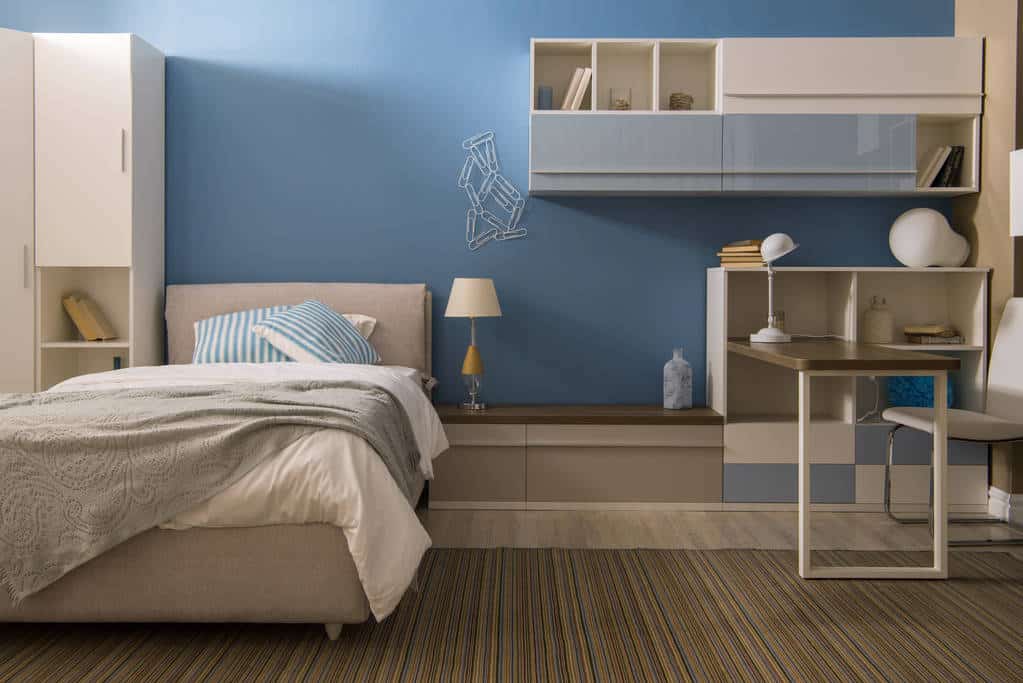
Interior designers typically lean into higher-end finishes that are meant to last. Flooring, cabinetry, and upholstery are chosen for durability and long-term wear, often incorporating artisanal details or customised solutions.
In comparison, home staging makes use of flexible, stylish, but often temporary solutions. Furniture is selected more for appearance than function. Accessories like rugs, artwork, and throw pillows add warmth and character but are often rotated regularly between staged homes.
For example, in commercial carpentry projects, durability and compliance with long-term commercial use standards are paramount. This differs from staging, where the aesthetic impression takes precedence over structural longevity.
Emotional Experience
Interior design crafts a narrative centred on the homeowner’s lifestyle, from hobbies to hosting preferences. It’s a deeply personal process, often drawing on mood boards, consultations, and multiple design iterations.
Home staging aims to create a universal, aspirational experience. A beautifully set dining table, a cosy reading nook, or a sun-drenched patio area tells a story of how the buyer could live there. By removing personal items like family photos and replacing them with neutral, elegant décor, the space becomes a blank canvas for buyers to project their dreams.
Real-World Crossovers
There are times when the lines blur. A designer might stage a newly built display home to help buyers visualise its potential. Likewise, a staging expert might use principles of interior design—like balance, rhythm, and contrast—to elevate their presentation. But their end goals remain different.
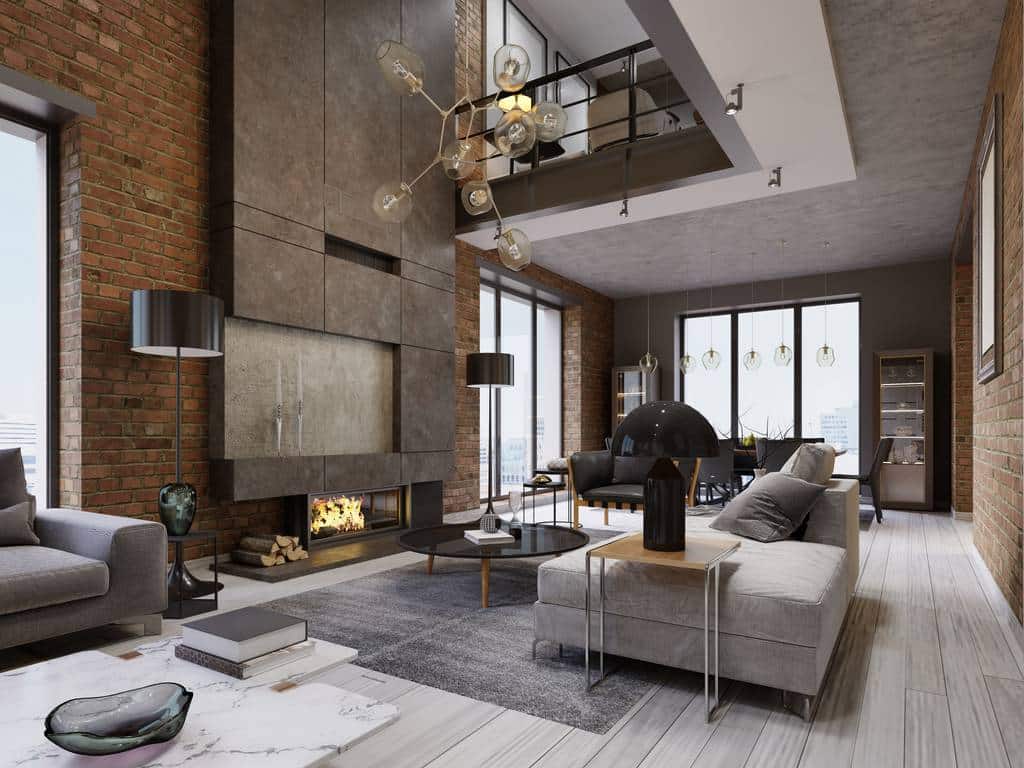
Some high-end homes feature staging that mimics luxury modern kitchen design. The use of marble benchtops, integrated appliances, and sleek cabinetry helps to enhance the perceived value of the property without necessarily being tailored to the future owner’s personal cooking habits.
One example of how staging is customised to suit different markets can be seen in tourism-adjacent properties. When preparing an apartment in Mikulov for international buyers, the staging choices might reflect regional charm, rustic details, and open-plan layouts that appeal to lifestyle buyers rather than practical residents.
Choosing the Right Path
Whether you need a staged presentation for selling or a personalised space for long-term living depends entirely on your intent. If you’re looking to put your home on the market, staging is a smart, strategic investment. But if you’re planning to stay and want a space that reflects who you are, interior design will always provide that tailored result.
Understanding the unique roles each plays ensures you approach your property goals with the right support, tools, and outcomes. For guidance on professional housing services in Australia, visit the Australian Government’s YourHome guide for more insights into sustainable and practical design options.