Small Fixes That Make a Big Difference in Property Management
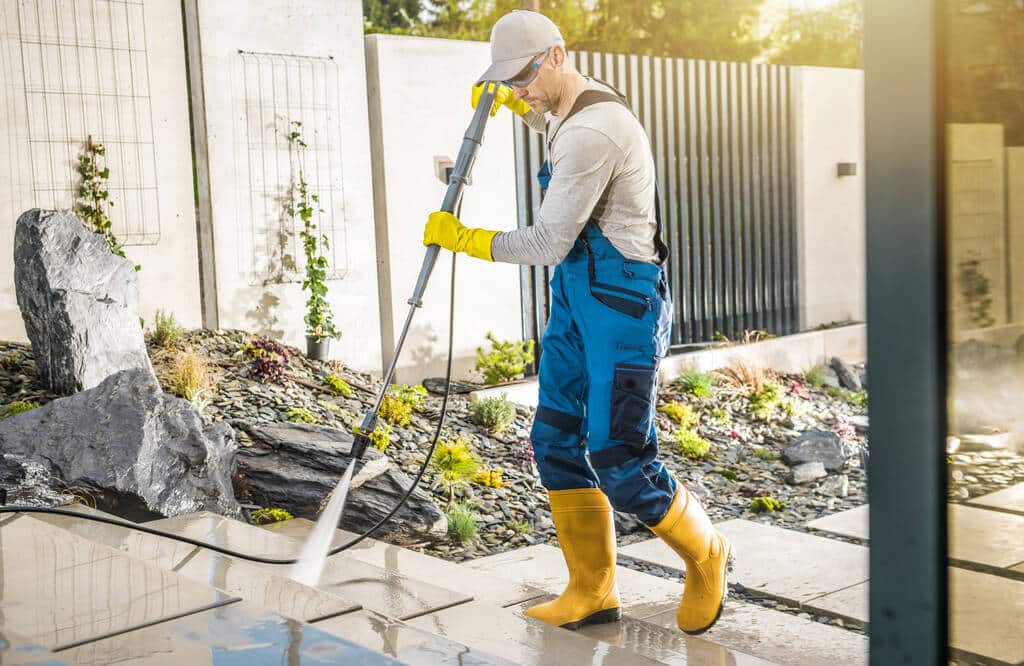
Property management tends to evoke visions of extensive remodels, massive investments, and extensive projects. In reality, however, regular small repairs can be every bit as effective in preserving and even appreciating property value. These relatively small changes manage to mitigate potential crises of expensive repairs, build a superior rental experience, and protect an owner’s investment in the long run. The distinction between a successful property and a stagnant one far more often than not comes down to attention to small everyday details.
The Significance of Proactive Maintenance
Proactive property managers that stay on top of little problems can sometimes prevent problems with large repairs. Leaking faucets, chipped paint, or loose railings are small things that may not seem like a big deal, but they set the tone for how a property is maintained. Preventive inspections and quick repairs identify problems before they spiral out of control and demonstrate attention to details that renters respect. Renters that trust that their rental is being well cared for are likely to renew their lease and remain for a longer time, reducing vacancy rates and cost to turn properties.
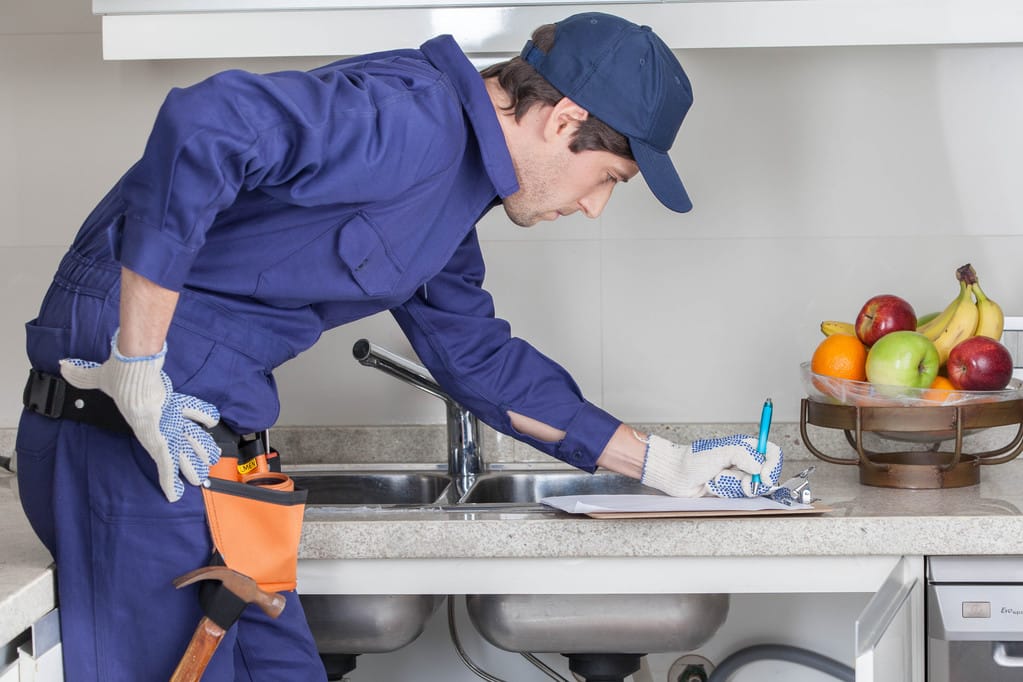
Proactive maintenance is demonstrated with early response to plumbing issues. A clogged sink or a slow leak underneath the countertop may not be emergent, but ignoring these can result in severe water damage, mold, and costly repairs. For rental properties in high-demand locations, something as simple as scheduling on-time pipe leak repair Bayside can avoid structural problems and guard a landlord’s reputation. By taking action early, managers demonstrate respect for both the comfort of their tenant and the future of their property.
Increasing Comfort with Minor Adjustments
Comfort is a most significant factor that renters look for in a rental accommodation. Although structural stability is required, it is little things that normally give a feeling of comfort, satisfaction, and cozy living to human beings. A rental accommodation that is safe and trouble-free has a better opportunity of securing and retaining quality renters.
For example, modest enhancements such as swapping out old light fixtures for newer, more efficient ones, caulking cracks that allow drafts, or putting in newer door handles all carry a strong impact. In addition to functional improvement, these improvements help to renew the space’s appearance, leaving occupants with the impression that the building has been well maintained.
Air systems also contribute to comfort. Clean filters, efficient fans, and regular service help to produce a healthier living space. A simple promise of air conditioning maintenance Sutherland, for instance, can keep cooling systems operating without issue throughout summer’s hottest months, with renters staying cool while saving on their power bill. What may seem like a nicety is actually a component of ensuring a habitable, tenant-considerate property.
Preservation of Value by Care for Details
Even small repairs go beyond aesthetic and comfort concerns—small repairs actually safeguard property value. Those little problems that are overlooked end up becoming larger, costlier ones that can affect resale value and insurance settlements. Property managers that fall into the routine of fastidious upkeep spend less money while they improve their assets’ long-term marketability.
Checking regularly for seals around windows, securing loose cabinetry screws, and ensuring clean gutters are all details with large implications. By spending just enough time observing and correcting these, managers avoid weather-related deterioration, pest invasion, and structural degradation. The overall impression conveyed to potential buyers or renters is of a well-cared-for, highly desirable piece of real estate.
Gaining Credibility with Renters
Renters want to feel that their issues are going to be heard and addressed. By fixing small problems right away, landlords establish trust that creates better relationships. A tenant that feels their needs are not going to be overlooked is likely to take better care of property, report problems sooner, and renew their rental contract.
Following up on minor repairs, like securing a shaky handrail or touching up caulk on a bathroom fixture, communicates a strong signal: that the property is important and the quality of living for the tenant counts. In the long run, this care fosters a positive word of mouth for the property manager or landlord, facilitating it to find better-quality tenants.
Building Resilient Efficiency
Efficiency is another benefit of focusing on small fixes. Regularly maintaining appliances, addressing plumbing concerns before they escalate, and servicing HVAC systems ensure that everything in the property runs smoothly. This not only reduces emergency callouts but also extends the lifespan of equipment and fittings.
When properties operate efficiently, costs are minimized for occupants and owners. Energy-efficient retrofits save money on utility costs, and regular upkeep diminishes the likelihood of surprise costs for repairs. These efficiencies create a stability loop that pays off all players involved in operating properties.
Conclusion
The efficiency of property management is often not about large-scale revamping or huge investments of capital. More often than not, it is the aggregate of small, trusty repairs that pays off with lasting value. From regular bathroom repairs to system service performed regularly, it all adds up to a property that is reliable, attractive, and profitable. Property managers that understand the importance of these little repairs position themselves and their properties for lasting success, showing all over again that it is often the little things that end up making all of the difference.