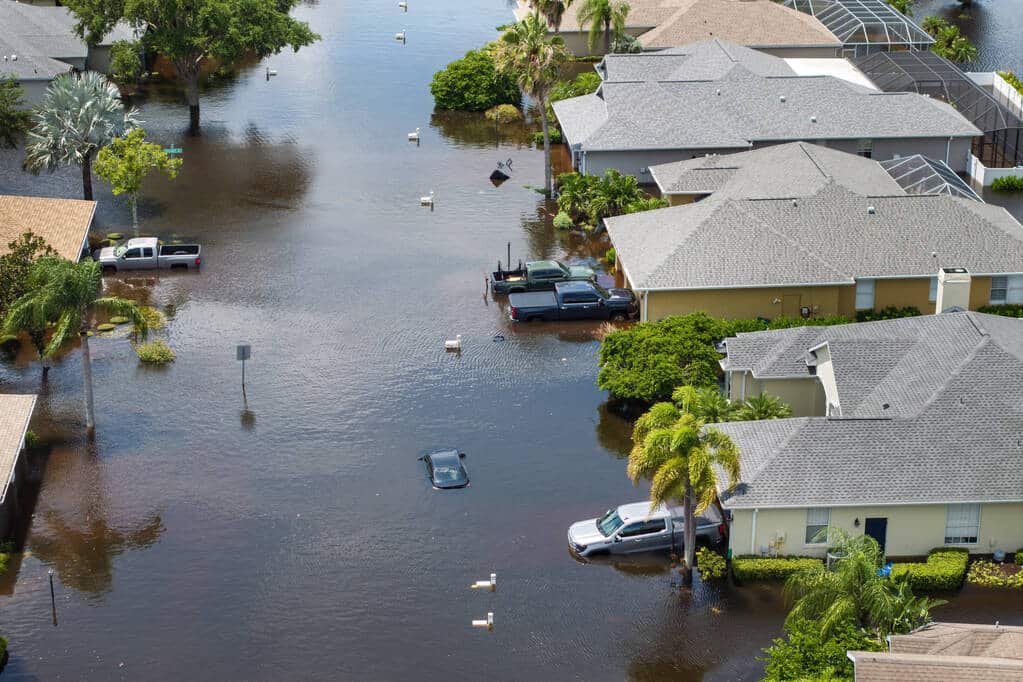
Preparing Your Investment Property for Natural Disasters
Australia’s property landscape is as diverse as its natural landscape—tropical coastlines, bush, floodplains, and deserts all have their part to play in the way investors design and prepare their properties. With increasingly unpredictable weather patterns, it’s no longer prudent to—it’s necessary to—prepare investment properties for natural disasters. A little foresight can be the difference between a healthy portfolio and a long, expensive recovery.
Learning Location-Specific Hazards
Every property carries a particular set of risks relative to its location. North Queensland properties, for instance, are susceptible to cyclones, while New South Wales riverfront suburbs are flood-prone areas. It is essential to conduct research on local hazards based on zoning maps, council reports, and state government statistics prior to purchasing or developing. Australian building standards have developed countermeasures to some of the dangers, but the investors must do more than what is required in protecting their investments.
Designing with Durability in Mind
Designing or rebuilding with disaster resilience never means sacrificing style. Most contemporary materials marry style with strength. An instance is fibre cement cladding, which presents a glossy appearance while possessing enhanced fire resistance. Raised flooring, strengthened roofing, and weather-resistant coatings can go unnoticed to shield your property without reducing its appearance or tenant attractiveness.
Another smart investment is outdoor renovations. If your home is a freestanding residence or a townhouse with a courtyard, the right outdoor materials can enhance durability and value. Composite decking panels are a great example—they’re far less susceptible to warping, splintering, and moisture damage than traditional timber, and are thus particularly suited to homes in areas where there is high rain or intense sunlight. With minimal maintenance and a glossy look, these panels offer functionality and beauty with weather resistance.
Budgeting for Resilience
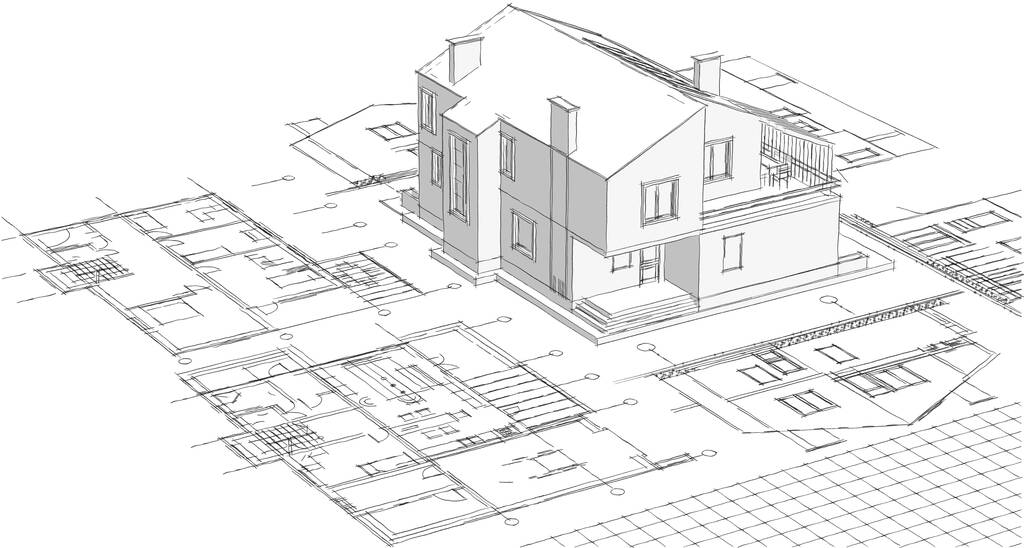
While resilience upgrades can be costly in the short run, they can prove valuable in the long run through savings on maintenance, protecting rental income, and attracting tenants who value the security. Disaster readiness aspects such as being fitted with stand-by power systems, water pumps, or flood walls are no longer the preserve of luxury developments—watch this space.
Financing these upgrades can be included in your budget. If you are a first-time buyer or want to diversify your investment portfolio, it is definitely worth it to compare prices to fund your property investment with long-term stability.
Planning for Emergency Situations
Tenants’ safety needs to be priority number one. You don’t need a sophisticated emergency plan, but you must make it known. If you are in a bushfire zone, tenants need to know evacuation routes. If you are in a flood zone, they need to know what to do when water rises. Including simple safety protocols in your welcome package or lease document is a simple but rational thing to do.
To aid in this planning, look into the acquisition of early warning systems or home automation systems that will warn tenants of increasing temperature, smoke, or water levels. Not only is this a safeguard of the building, but it can be a sought-after amenity for tenants who enjoy technology-friendly living spaces.
Insurance: A Tool Beyond an Emergency Fund
Full coverage is necessary, but the majority of investors simply use it as a checkbox. It makes sense every year to inspect your policy to ensure that it is still in line with your new property value, location risk, and improvements. Premium discounts can be made available on buildings with mitigation tools such as fire-resistance landscaping or flood protection systems.
In light of the disastrous events in the past few years, residential communities all across Australia have relied substantially on schemes of floods relief to recover. This has put focus on government assistance and investor accountability. Acting now can reduce your property’s reliance on disaster relief, allowing you to recover faster and keep your tenants in a positive situation.

Future-Proofing Your Investment
Climate resilience is no longer an abstract strategy. As tenants become more aware of the dangers, and insurers impose conditions, buildings with robust planning and smart material choice will become more sought after. Those who make the switch now set themselves ahead of the curve—offering safer, more attractive homes in a market that’s paying closer attention to environmental risk.
Creating a disaster-proof property portfolio is not a response to fear. It is a matter of infusing resilience into the very fabric of your investment strategy. From selecting materials in mind to planning for emergencies and everything in between, every choice you make creates a more resilient, more secure future for your property and your income stream.
Being prepared may not keep nature from being nature—but it can certainly make the blow easier to take.