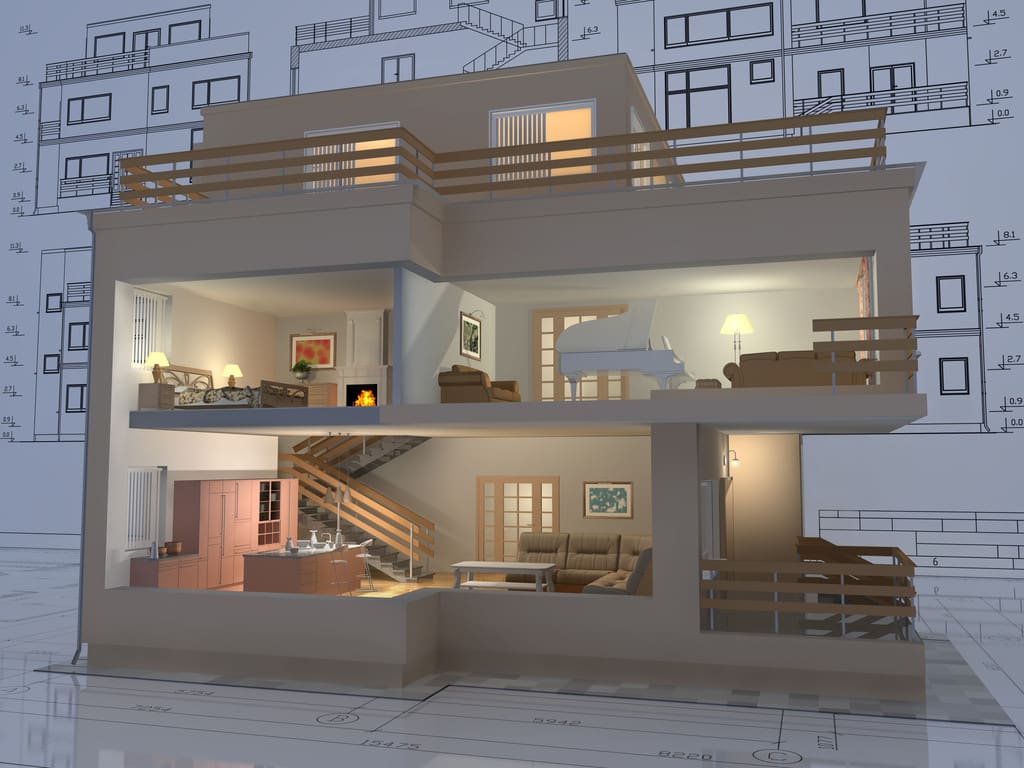
Balancing Personal Taste and Market Appeal in Investment Properties
Successful property investment is not entirely a matter of buying the right suburb or good finance. It is a matter of understanding what will appeal to prospective buyers or tenants without letting personal interior style sensibilities take over. The trick is to get a space to appear lived in but not so personalised that another individual cannot imagine living there.
Since there is nothing inherently wrong with style presentation, intelligent investors understand that there is a difference between personality and marketability—and one can close the gap and affect return on investment. By opting for intelligent design tactics and long-term visual appeal, you can maximise the value and rentability of your property.
Understanding When to Step Back from Personal Style
Investors like to have their properties designed on what they like. Tasteful bright colours, specialised themes, or expensive finishes might be nice, but are not always in keeping with more general market aspirations. Design choices should be determined by demand on the part of prospective buyers, not emotion. Neutral colour schemes, quality finishes, and practical floor plans appeal to more people.
It’s not about eliminating all personality from a space, but it is about prioritising enduring design. If you’re not sure where to cut back, a quick discussion with a private wealth advisor can help you balance the big picture and place your styling decisions in alignment with long-term investment goals. The home is an investment, and it has to be treated as an investment.
Styling Options that Have Appeal to a Broader Market
Designing a universal room begins with recognising the characteristics that make interior rooms appealing to an overall market. Elegant design features that establish comfort, lighting, and space can inspire emotional connection and drive sales. They are natural light, modern lighting elements, uniform flooring, and balanced staging elements.
Adding in well-placed pieces of art can provide warmth and character without overwhelming the room. Little details like framed posters of the region or abstract paintings can contribute to walls without shattering the decor and pricing it out of affordability. They are visual markers that dictate mood, enabling potential buyers to connect with the room without rejecting those with other preferences.
Usefulness is Just as Important as Beauty
Whereas aesthetics demand first impressions, functionality is the secret to enduring satisfaction. Internally, there must be space maximisation, with open flow and functional elements like abundant storage, work-from-home areas, and power-saving appliances. These attributes meet modern lifestyle demands, adding value to owner-occupiers and tenants alike.
Knowing how to marry form and function is essential. Open-plan living, intelligent placement of lighting, and practical use of space within smaller spaces create a home that is well thought out. It’s not extravagance; it’s about being relevant.
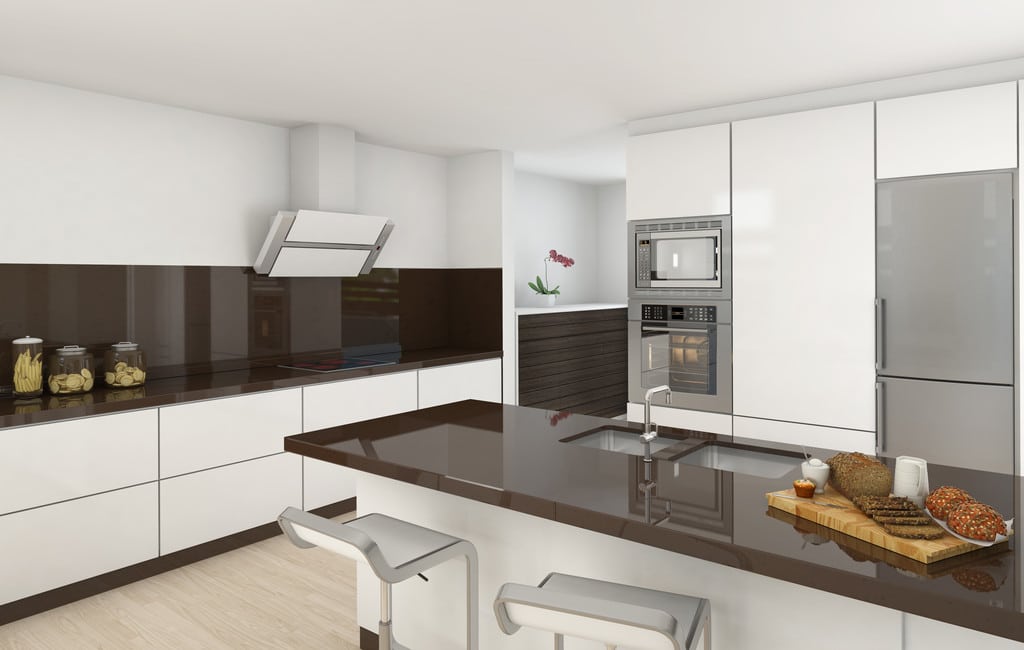
Deliberate Staging, Not Just Presentation
Effective home staging is less about taste and more about planning. Each room must have its own personality and purpose, and visitors must be able to envision themselves in the home. A guest room, for instance, could be staged as a home office or guest room depending on current market trends and buyer profiles.
Investors ought to consider the power of understated narrative staging—storytelling through space without dominating personal artefacts. The focus is on unveiling lifestyle potential. For inspiration-seekers, our aesthetic trends article offers insights in looks that are appreciated with age.
Value Creation Without Overcapitalising
One of the biggest styling risks is over-splurging on features that will never return dividends. Ritz-style finishes might have appeal, but if the average value in the suburb can’t afford to keep up with that level of expenditure, you might lose more than you’ll ever gain.
Smart renovations—such as repainting, landscaping, and new lighting—can add value to a property at little expense. Style as a marketing tool, not as renovating. It’s not about exercising personal taste; it’s about placing your property in the marketplace competitively.
For guidance on how to stay within local development limits when you are doing home renovation, utilise NSW Planning Portal’s development advice.
Getting the Balance Right
No two investors would agree, but only the greatest of them also understand when to step aside for market information and specialist advice. Style must serve the purpose of your investment—making it more enticing, stimulating competition, and creating better offers—without compromising financial restraint.
It is a learnable skill, balancing your personal taste with what the market will pay, and it is in getting it right that the pace and profitability with which a property rents or sells can be the difference.

Care to make smarter styling decisions for your next buy?
Smart Property provides you with the most current advice, market data, and tools to help you maximise your property portfolio. For further information, or to subscribe to our newsletter and have expert information delivered to your mailbox.